Explore learning and behavior from a natural science perspective
Gain knowledge and skills applying learning science to improve animal welfare through well-designed environments and training programs.
Behavior Works Zoo School
8 Course Curriculum
Start: October 2026
End: July 2027
Course Fee
$5,800 USD for the complete 8 course curriculum.
Scholarship opportunities available for every qualifying new student.
The BW Zoo School Mission
We are very excited to introduce Behavior Works Zoo School (BWZS). BWZS offers the unique fusion of different fields of expertise essential to a contemporary and wholistic approach to animal care and well-being.
Mentored by renown experts in behavior analysis, training, ethology, welfare and leadership, BWZS is designed to explore learning and behavior from a natural science perspective, emphasizing its critical role in advancing modern animal care practices.
The curriculum focuses on implementing evidence-based programs with continuous assessment and data-driven decision-making at its core. Students learn to tailor behavior-change strategies by incorporating each animal’s natural history, individual learning history, and current context and conditions to promote individualized, humane care.
Throughout the program, strong emphasis is placed on upholding the highest ethical standards, preparing students to become thoughtful and responsible leaders in animal behavior and welfare.
Putting Learning Science To Work
Three standards drive the BWZS curriculum: compassion, confidence and collaboration. Throughout the curriculum, instructors will reflect the ways in which their course objectives embody these standards.
Compassion turns empathy into action to alleviate discomfort and distress. Compassionate training includes functional assessment, adherence to the least intrusive principle, respecting the animals assent and dissent behaviors, and consideration of natural history.
Confidence that our work will produce a net welfare gain for the animals, coworkers, clients and visitors with whom we interact. Confidence is the result of knowledge, technical skills and experience.
Collaboration with relevant sister sciences, such as ethology, neuroscience, veterinary medicine, and nutrition. Success with this standard requires relationship-building skills that include listening, communicating, perspective taking and critical thinking.
Program Learning Objectives
1. Explain learning and behavior from a natural science perspective and its significance to contemporary animal care.
2. Locate and evaluate relevant research articles and use research findings to inform your practice caring for animals.
3. Dynamically change conditions to change behavior with evidence-based programs, and ongoing assessment and data analysis.
4. Effectively incorporate natural and individual history into behavior-change programs.
5. Behave in accordance with established ethical guidelines regarding changing behavior of animals in your care.
How We're Different
1. Our team of instructors are well-respected for their extraordinary influence in improving animal care and well-being globally. Their knowledge and skills continue to define the cutting edge with effective dissemination, inventive solutions, and a commitment to people and animals.
2. We apply a Natural Science approach to practical training and understanding learning and behavior. Personal recipe knowledge is not enough for today's animal well-being goals.
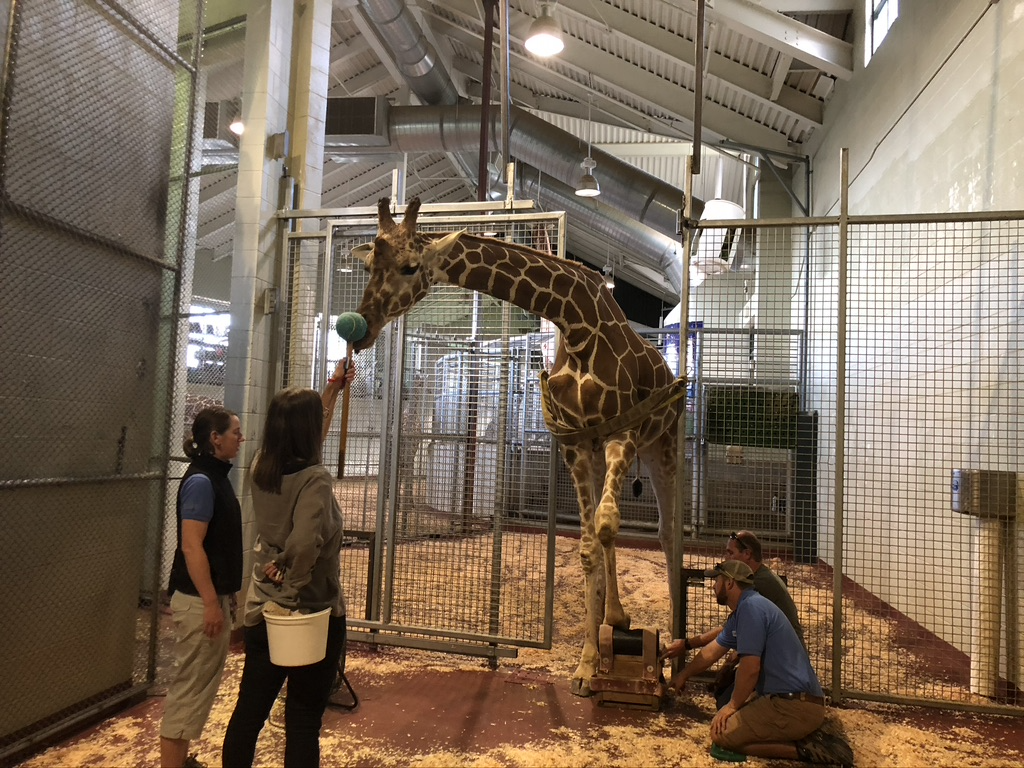
3. Our close relationships with Cheyenne Mountain Zoo and Karen Pryor's National Training Center allows us to use a unique, hands-on laboratory school approach to teaching and learning.
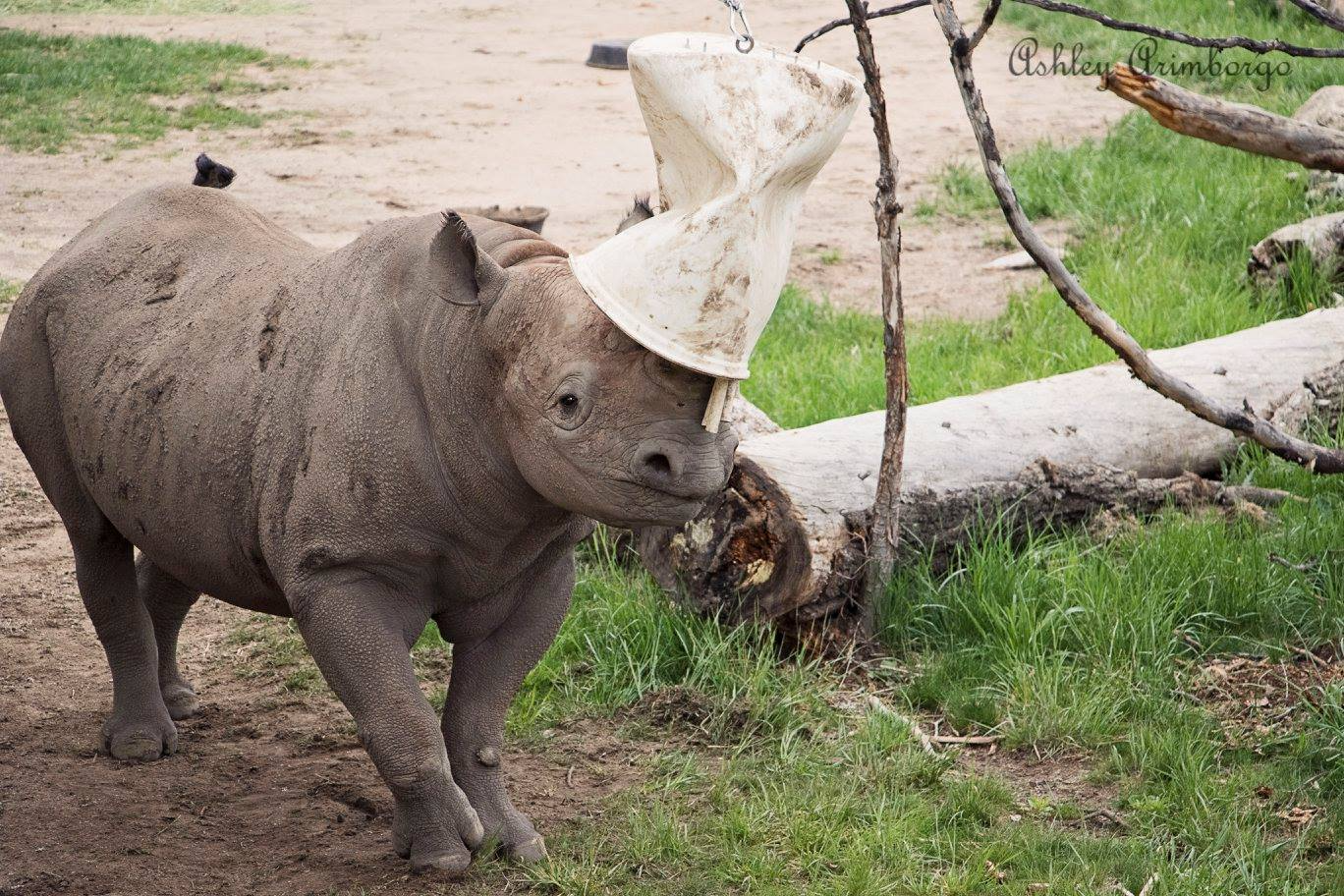
4. The curriculum is based on numerous class activies including both small group supervision and one-on-one feedback.
Program Overview
Experience a transformative, year-long professional training program designed for animal-care and behavior professionals seeking advanced, practical, real-world skills.
5-Day Immersive Workshop at a Premier Zoo
Begin with an in-person, hands-on workshop hosted at an accredited zoo facility.
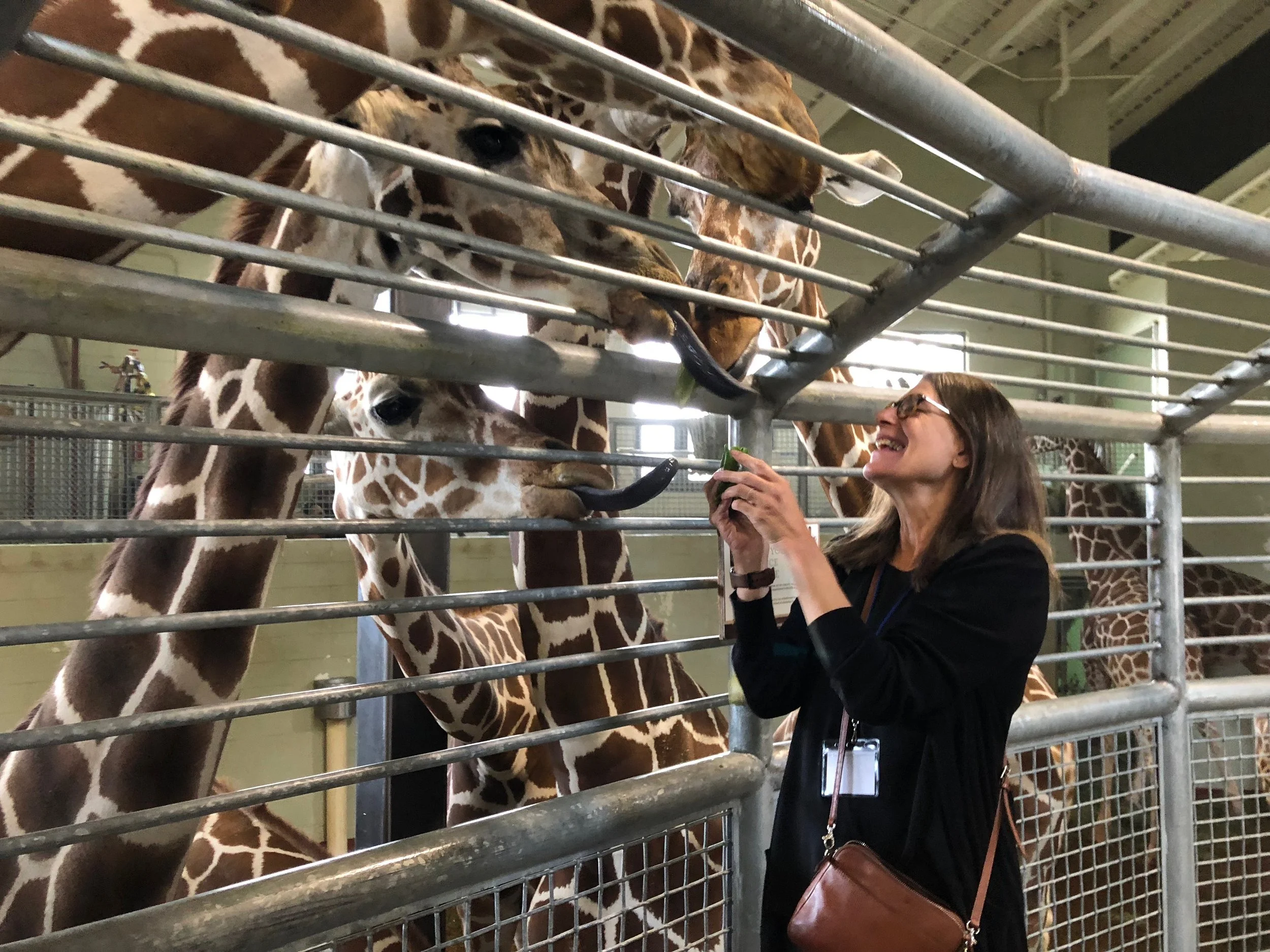
The upcoming session will be held at Cheyenne Mountain Zoo in Colorado Springs, Colorado, featuring training opportunities with giraffes and other species.
Travel and lodging are not included.
Bi-Monthly Video Coaching
Participants in the full program package receive personalized, every-other-month video-coaching sessions.
Upload a one-minute training video, then meet virtually with expert instructors who will provide targeted feedback using the Start / Continue / Stop coaching model.
This process strengthens your own training performance and builds deep behavioral insight—empowering you not only to improve your work, but also to coach others with confidence.
Comprehensive Coursework (October 2026 – July 2027)
Two courses run simultaneously during each 8-week term, for a total of four terms throughout the program year.
A complete course list and syllabus will be provided.
Program Schedule & Time Commitment
Class Sessions: Two per week
Session Length: 3 hours each
Estimated Out-of-Class Work: 2 hours per week per course
Total Weekly Time Commitment: Approximately 10 hours
This structure allows participants to maintain a manageable schedule while gaining high-caliber instruction, hands-on learning, and ongoing coaching from seasoned behavior professionals.
Zoo School Leadership & Instructor
Rick Hester
BW Zoo School Director
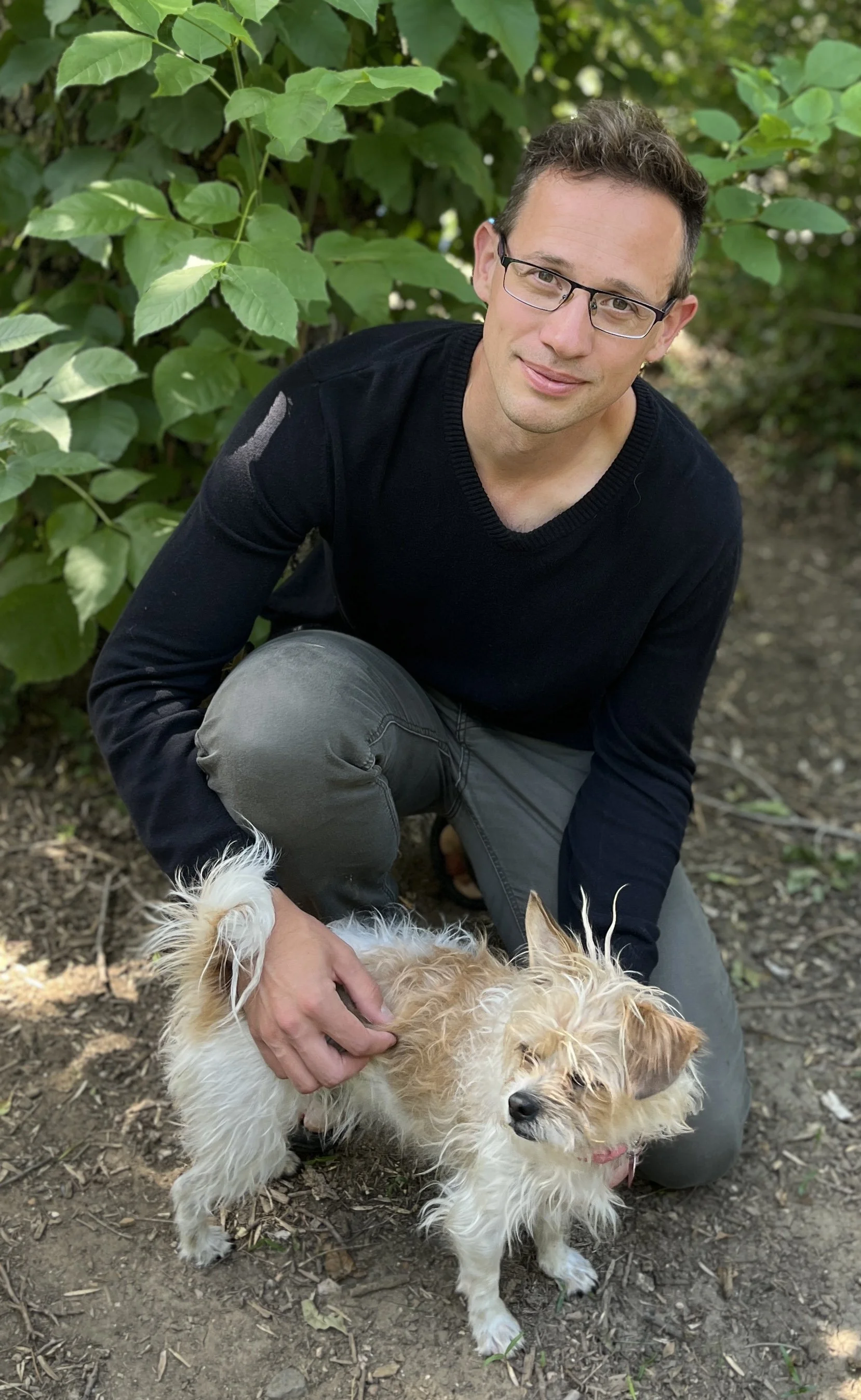
Rick Hester is the Director of Animal Care and Well-Being at Cheyenne Mountain Zoo.
"Over the last 20 years I have observed that zoos view behavior through an ethological lens. While ethology necessarily informs our work, many of the challenges currently at the forefront of zoos are those related to learning and behavior. These challenges pose questions ethology alone leaves unanswered, because it fails to attend to the contingencies of reinforcement experienced by the individual. The Behavior Works Zoo School (BWZS) offers a curriculum centered in behavior analysis, which studies the natural phenomenon of learning. A behavior analytic perspective brings at least two key components not commonly found in the ethological approaches of zoo welfare science. First, behavior analysis studies individuals rather than species. We assume all behavior is the sensible product of both the individual’s history (genetic and experiential) and the effects of the current environment in which they are behaving. Second, behavior analysis brings a commitment to moment-by-moment changes to the environment informed by continuously collected data on individual learner’s behavior. Without the sensitivity and understanding gained through this approach we will be hard pressed to engineer environments that support the behavioral health of animals in the zoo. Success in this endeavor is not accomplished without understanding how the brains and bodies of the species work, and with what environments they evolved to interact. However, when we pick up this ethological perspective, we don’t put down our behavior analytic one. Behavior is flexible, it is a biological mechanism for adapting to changes within one’s lifetime. In this inherited behavioral flexibility, called learning, there is hope for zoos. If we are to reduce force and coercion and replace them with freedom to behave for meaningful outcomes, we need to be educated in the philosophy, principles, and procedures of behavior analysis."

Zoo School Leadership & Instructor
Christy Alligood, Ph.D., BCBA-D
Chief Science Officer
Dr. Allgood is a faculty member in the Department of Applied Behavioral Science at the University of Kansas.
Dr. Christy Alligood is a sought-after teacher, speaker, and thought leader whose experience spans the science and practice of behavior analysis.
Dr. Alligood received an MA (2003) from the University of North Carolina at Wilmington and a Ph.D. (2007) from West Virginia University. She is also a doctoral-level Board Certified Behavior Analyst (BCBA-D).
For over 10 years, Dr. Alligood has been a behavior scientist at Disney’s Animals, Science, and Environment. In that capacity, she uses her expertise in the application of behavior analysis to enhance the welfare of nonhuman animals through cooperative training, environmental enrichment, behavioral problem solving, and behavior change strategies supporting the conservation of wildlife and wild places.
Dr. Alligood is a faculty member in the Department of Applied Behavioral Science at the University of Kansas. She previously held faculty positions at the Chicago School of Professional Psychology and the University of Florida, where she was a nominee for the 2021 UF College of Liberal Arts and Sciences Teacher of the Year Award. She has served in many leadership roles in the Association for Behavior Analysis International, including president of the Applied Animal Behavior Special Interest Group, Coordinator of the Special Interest Groups Board, and At-large Representative to the Executive Council. She is also a past president and secretary of the Southeastern Association for Behavior Analysis. She is an instructor for the Association of Zoos and Aquariums Environmental Enrichment in Zoo & Aquariums course and general member of the AZA Behavior Advisory Group serving on the Culture Change working group.
Zoo School Leadership & Instructor
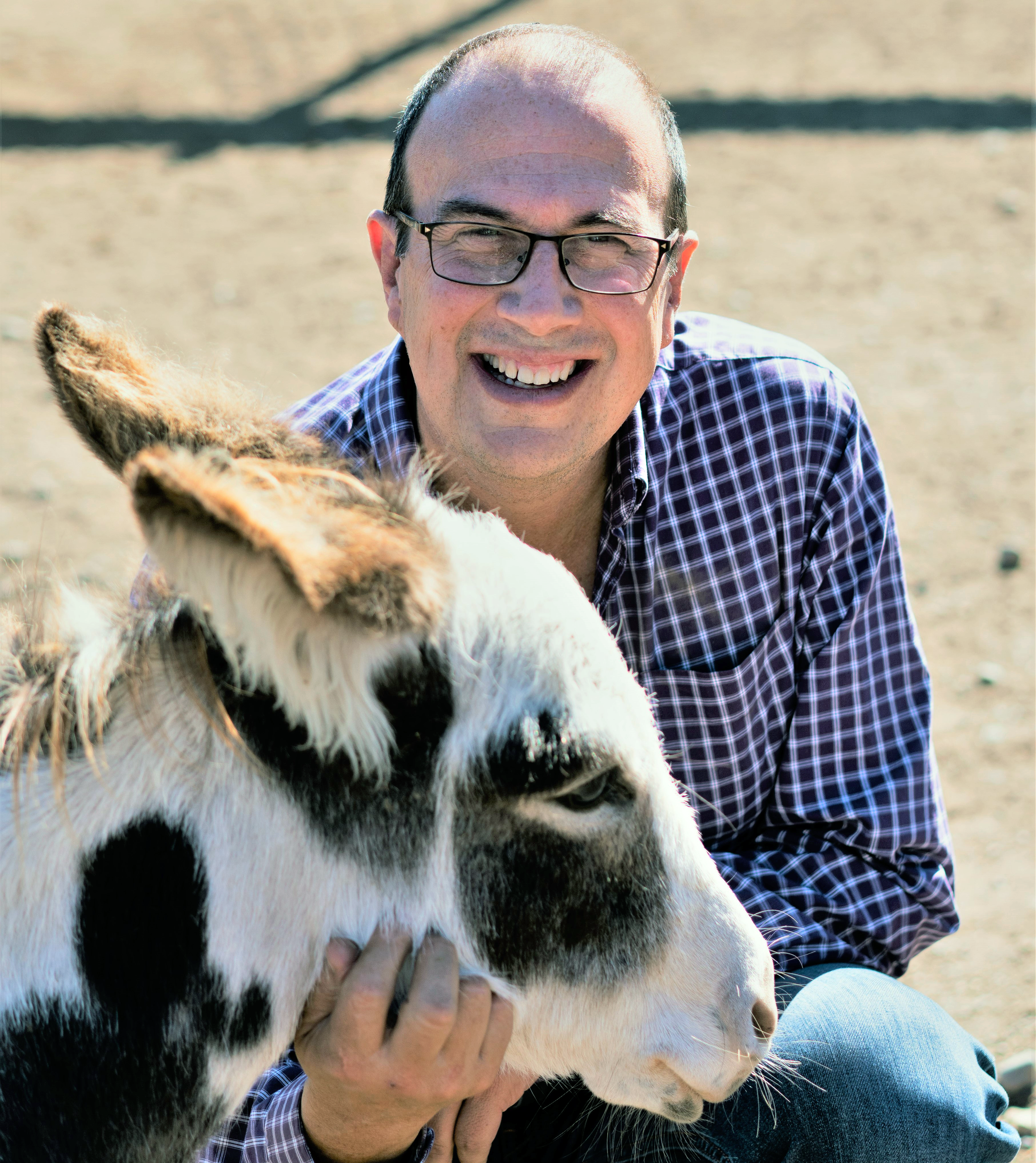
Ken Ramirez
Chief Training Officer
Ken Ramirez is Executive Vice-President and Chief Training Officer of Karen Pryor Clicker Training
“The Behavior Works Zoo School course fills a unique niche in the zoological community. This course brings together top scientists and trainers, all of whom are leaders in the field and who have extensive experience working in the zoo field. This course provides a practical approach to applied behavior analysis, grounded in a solid scientific framework. This education is more critical than ever as zoos come under intense scrutiny from many directions. Understanding behavior, ethics, research, and data collection and analysis are crucial components of providing exceptional animal care and ensuring the well-being of the animals in our care. This is the right time and the right people to guide you in your journey to being the best zoological professional in these challenging times.”
Zoo School Leadership & Instructor
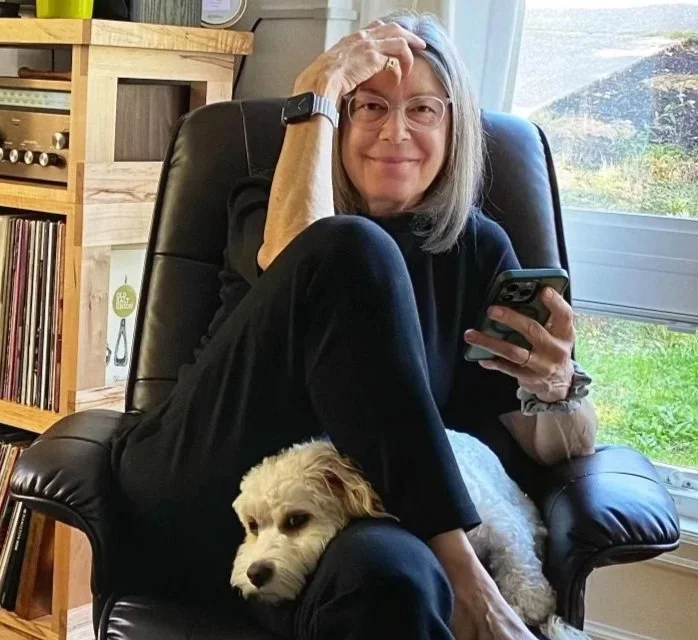
Susan Friedman, Ph.D.,
Behavior Works Founder
Dr. Friedman is a professor emeritus in the Department of Psychology at Utah State University.
Dr. Susan G. Friedman, Ph.D. is a professor emeritus in the Department of Psychology at Utah State University. Susan has co-authored chapters on behavior change in five veterinary texts, and her popular articles have been translated into 17 languages. She teaches seminars and courses on animal learning online (How Behavior Works: Living & Learning With Animals), with students from 63 countries so far. Susan also consults with zoos and animal organizations around the world. She was appointed to the F&WS California Condor Recovery Team from 2002 – 2010, after which time the team was retired due to the success of the birds in the wild. She is the Chairperson of the Scientific Advisory Committee of American Humane Association (AHA) Film and TV Unit, and a member in good standing of ABAI, ABMA, IAATE and IAABC.